

And why families in Sanders County should not have to drive to Missoula to get it
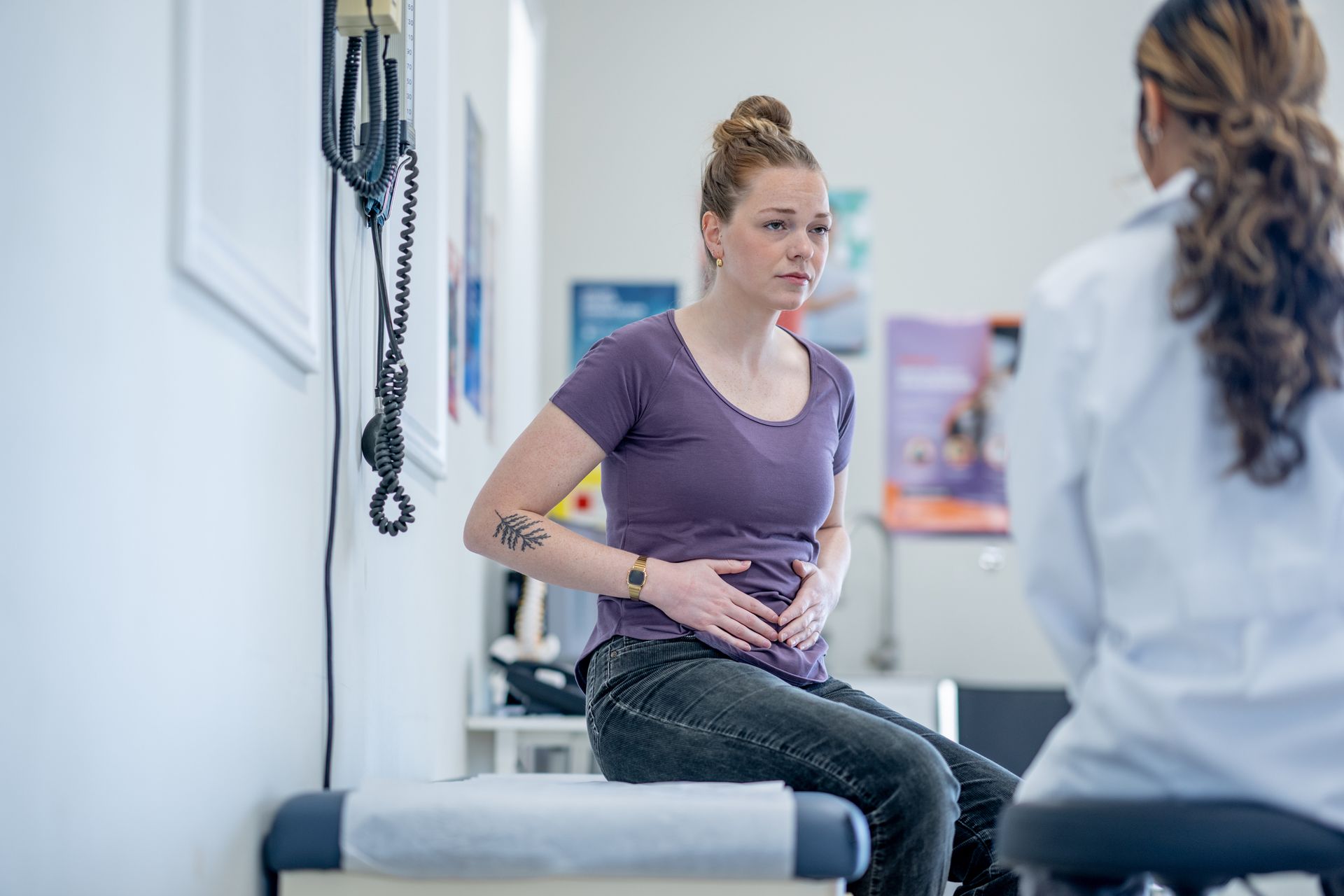
How Pelvic Floor PT Helps With Pain and Leaks
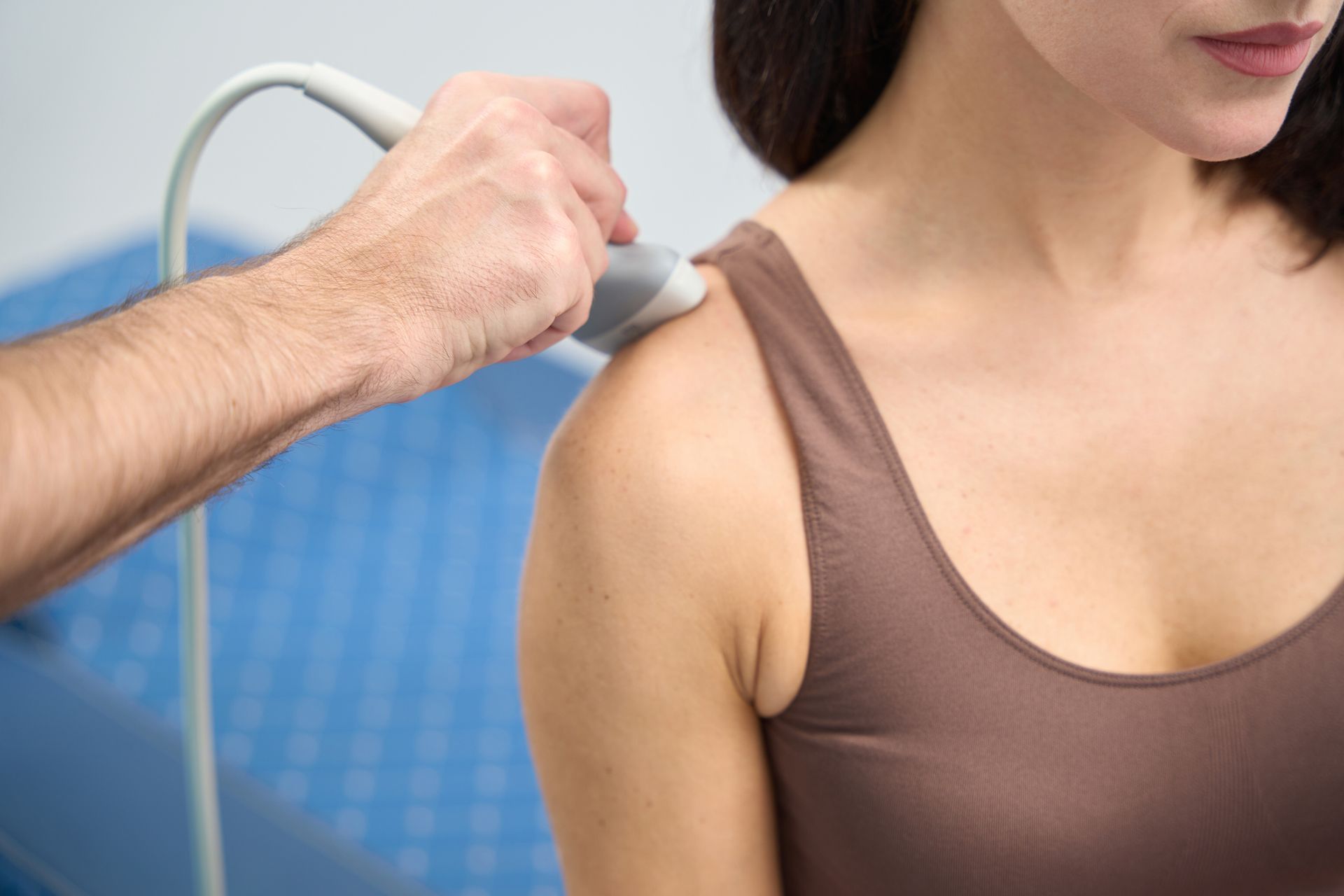
A Look at Diagnostic Ultrasound Imaging

How Pediatric Physical Therapy Helps Kids Grow

Is Your Body Ready for a Northwest Montana Summer?
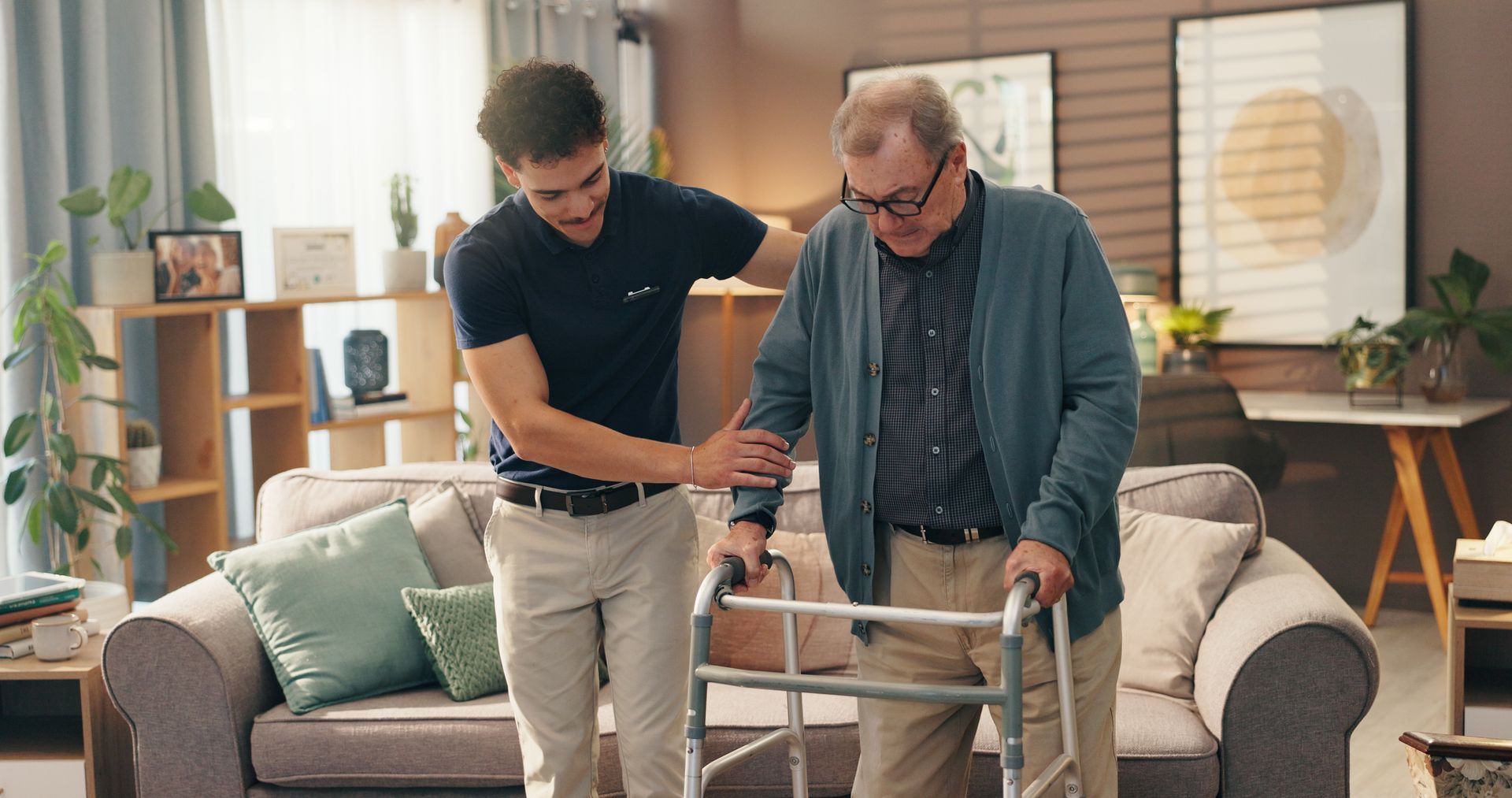
How Physical Therapy Can Help

When someone starts physical therapy, they often say their goal is simple: “I just want to get better.” But if you ask ten people what “better” means, you will probably get ten different answers. For one person, recovery might mean running a local 5K again. For another, it might mean gardening without back pain, casting a fishing line at the river, or simply picking up a grandchild without discomfort. At Plains Physical Therapy, we believe physical therapy is about more than just healing an injury. It’s about helping you return to the life and activities that matter most to you. HEALING IS MORE THAN CLINICAL MEASUREMENTS Physical therapists are trained to focus on the clinical side of recovery, including: Reducing inflammation Improving range of motion Building strength and balance Restoring mobility The real goal of physical therapy isn’t just to improve numbers on a chart — it’s to help you return to the activities that define your daily life. YOU ARE THE MOST IMPORTANT MEMBER OF YOUR CARE TEAM Your physical therapist brings clinical expertise. But you are the expert on your life. That’s why the best physical therapy outcomes happen when recovery becomes a partnership between patient and therapist. HOW YOU CAN HELP GUIDE YOUR RECOVERY Identify Your 'North Star' Think about one activity your injury is preventing you from doing. This becomes the guiding goal for your treatment plan. Examples might include hiking, gardening, playing pickleball or golf, sleeping comfortably through the night, or lifting your children or grandchildren. Share the Small Details Sometimes the most helpful information comes from everyday moments — like knee pain when going downstairs, neck stiffness after computer work, or shoulder pain reaching overhead. These details help your therapist design exercises that mimic real-world movements. Write Down Your Goals Before Your Appointment Before your first visit, write down three things you want to do again without pain. Bringing this list to your evaluation helps make therapy a collaborative plan. MOTIVATION MATTERS IN RECOVERY Sticking with a home exercise program can sometimes feel repetitive. But when every exercise connects to a meaningful goal — like returning to the golf course, gardening again, or walking without pain — it becomes much easier to stay motivated. PHYSICAL THERAPY IS A PARTNERSHIP At Plains Physical Therapy, we believe recovery works best when your treatment plan reflects your life, your goals, and your priorities. Your therapy should be as unique as you are. Because getting stronger is great — but getting back to the activities that make life meaningful is even better. Ready to start your recovery? Contact Plains Physical Therapy to schedule an evaluation and begin a personalized treatment plan designed around the goals that matter most to you.

How Physical Therapy Protects Your Heart

Why an Annual Physical Therapy Check-Up Matters

Stay Active, Stress Less: A PT’s Guide to the Holidays