February 15, 2026
How Physical Therapy Protects Your Heart

When most people think of physical therapy, they think of knees, backs, or post-surgical recovery.
But one of the most important muscles we can help you strengthen isn’t in your leg or shoulder — it’s your heart.
Heart disease remains the leading cause of death in the United States. According to the American Heart Association, someone in the U.S. dies from heart disease approximately every 34 seconds. The good news? Much of cardiovascular disease is preventable through consistent, sustainable lifestyle changes — especially movement.
And that’s where physical therapy plays a powerful role.
The Challenge: Getting Started (and Staying Consistent)
Health guidelines recommend 150 minutes of moderate-intensity activity per week. Yet nearly 75% of adults struggle to meet that goal.
Here in rural Sanders County, we hear it all the time at Plains Physical Therapy:
- “My knee flares up every time I try to walk more.”
- “I’m nervous to push my heart rate after my last health scare.”
- “I don’t know where to begin.”
It’s not a motivation problem. It’s often a pain, safety, or guidance problem.
How Physical Therapy Supports Your Heart
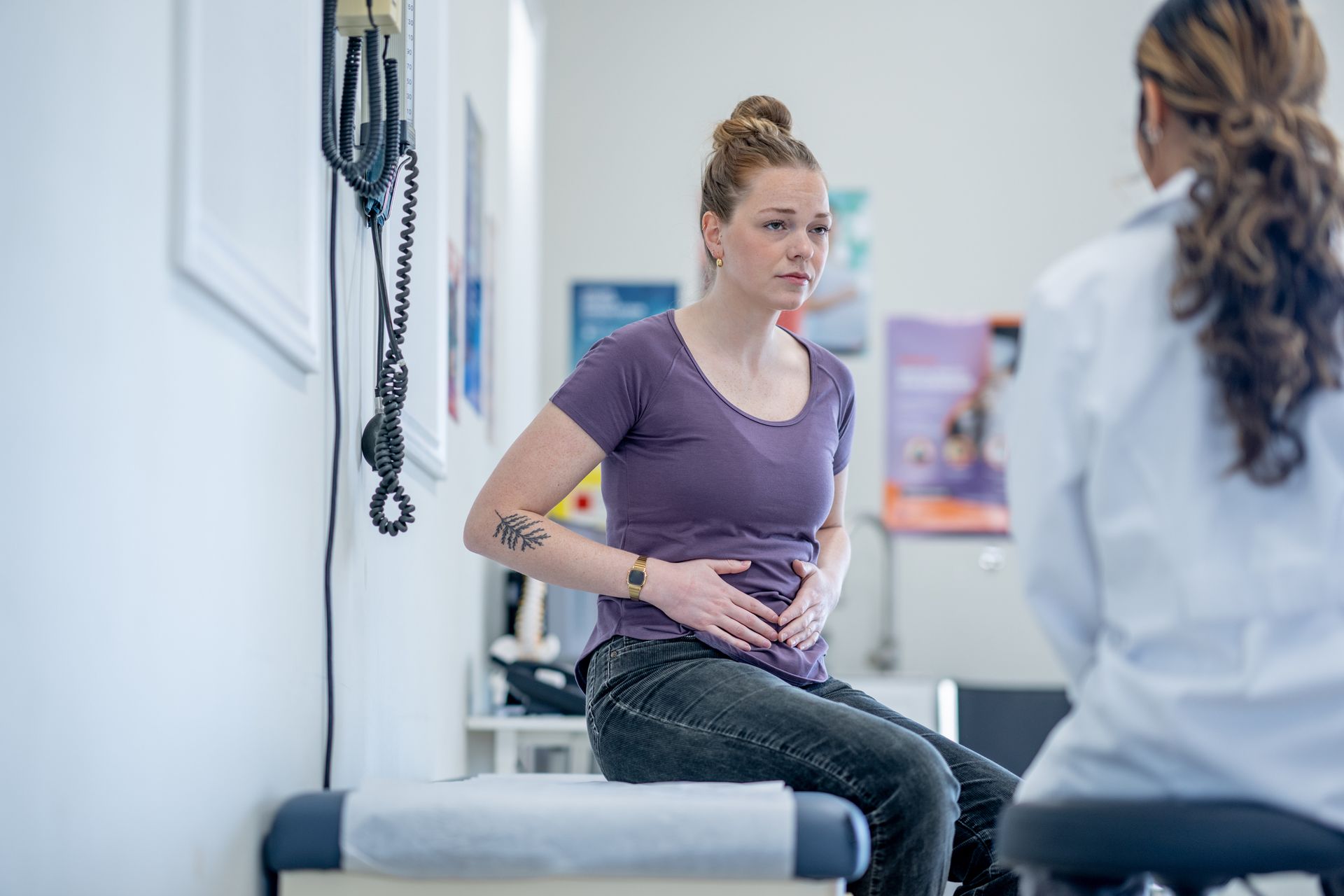
At Plains Physical Therapy, we don’t just treat joints. We evaluate the whole system — how your muscles, lungs, and cardiovascular system work together.
- The Right Entry Point - Starting too hard is one of the fastest ways to quit. We assess your balance, strength, mobility, and cardiovascular response to determine a safe and effective starting point.
- Overcoming Pain - Old injuries, arthritis, or chronic stiffness often prevent people from exercising consistently. We identify the root cause and fix the barrier so you can move comfortably.
- Safe Recovery After Medical Events - If you’ve experienced a heart attack, stroke, or are recovering from cancer treatment, movement is essential — but it must be supervised and progressive.
- Managing Chronic Conditions - High blood pressure and Type 2 diabetes are major contributors to heart disease. Movement improves insulin sensitivity, circulation, and blood pressure regulation. We design low-impact, sustainable plans that work for real life.
Movement Is Medicine (And It Doesn’t Have to Be Extreme)
You do not need to run marathons.
Heart-healthy movement can include:
- Brisk walking
- Cycling
- Swimming
- Gardening
- Playing with grandkids
Consistency matters more than intensity. At Plains Physical Therapy, we help you build habits that last — without flare-ups or fear.
Why This Matters in Rural Montana
Access to healthcare can be limited in small communities like Plains. Preventative care is powerful.
A physical therapy evaluation can:
- Screen your cardiovascular response to activity
- Identify mobility or strength limitations
- Reduce injury risk
- Provide accountability and structure
Instead of waiting for a health scare, we can help you take proactive steps now.
Ready to Strengthen Your Most Important Muscle?
If pain, uncertainty, or a past medical event has kept you from getting active, let’s change that.
Schedule an evaluation at Plains Physical Therapy today. Your heart will thank you.