May 29, 2026
How Pediatric Physical Therapy Helps Kids Grow
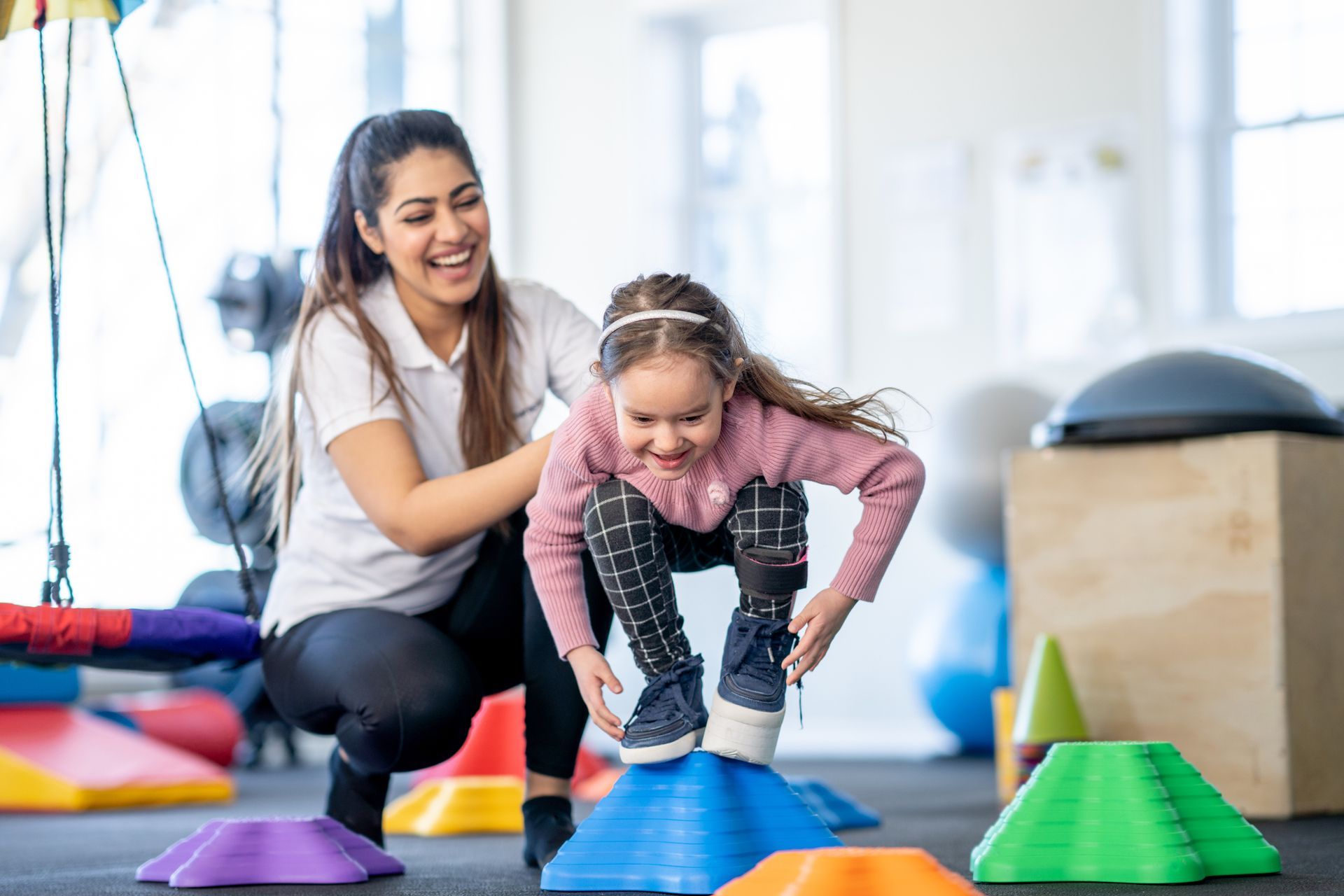
From the first few months of life through the teenage years, physical therapy for kids—also called pediatric PT—isn’t always about fixing an injury. It’s about helping children grow and develop through movement. At Plains Physical Therapy, our goal is to give every family a clear path forward, no matter where their child is on that journey.
Here is a look at some of the most common reasons a family might visit a pediatric physical therapist.
1. Reaching Motor Milestones
Every child develops at their own pace, but there are certain building blocks of movement that children should accomplish, known as gross motor milestones. These include:
- Rolling over and sitting up by themselves
- Crawling and pulling to stand
- Walking, running, and jumping
If a child is falling behind or struggling to reach these benchmarks, a physical therapist can help get them back on track. This also applies to coordination. If you notice your child frequently trips, moves awkwardly, or struggles with rhythm-based activities like clapping along to a song, PT can help improve their balance and body awareness.
2. Specialized Care for Cerebral Palsy (CP)
Cerebral Palsy is the most common motor disability in childhood. Even though it’s common, CP affects each child differently. Some may experience muscle stiffness (spasticity), while others may have difficulties with balance or involuntary movements.
At Plains Physical Therapy, we work closely with families to:
- Design custom exercise programs to improve strength
- Provide gentle stretching to manage muscle tightness
- Assist with specialized equipment, like braces or wheelchairs, so the child can navigate their world with as much independence as possible
3. Torticollis
Have you noticed your newborn always tilting their head to one side or struggling to turn their neck in both directions? This common condition is called Torticollis. It is usually caused by a tight neck muscle and is most often noticed shortly after birth.
The good news is that early intervention is incredibly effective. A physical therapist will teach parents gentle stretching techniques and play-based positions that encourage the baby to move their head into a neutral position, preventing long-term postural issues.
4. Pelvic Floor Health and Potty Training
Parents are often surprised to learn that children can have pelvic floor issues too. If a child has moved past the potty-training stage but still struggles with accidents, the cause might be physical rather than behavioral. Pediatric PT can help with:
- Chronic constipation: helping the muscles learn how to relax properly
- Bedwetting or urgency: training the bladder and pelvic floor to work together
- Biofeedback: using kid-friendly tools to help children visualize and control their muscles
5. Keeping Young Athletes in the Game
Kids are more active than ever, which is great, but it also means sports-related injuries are on the rise. Whether it’s a standard ankle sprain, growing pains, or a more significant injury from the soccer field, physical therapy helps young bodies heal correctly. By focusing on proper mechanics, a PT can make sure that a childhood injury doesn’t become a lifelong problem.
Does My Child Need Physical Therapy?
Movement is how a child first interacts with the world. If you have concerns about how your child moves, plays, or grows, a consultation with a pediatric physical therapist can give you peace of mind and a clear path forward. Contact Plains Physical Therapy today to schedule a consultation.