July 9, 2026
A Look at Diagnostic Ultrasound Imaging
When something hurts, the biggest question is usually the simplest one: what's actually going on in there? Is that shoulder pain a rotator cuff tear or an irritated tendon? Is the swelling coming from inside the joint or the tissue around it? Traditionally, getting answers meant an outside referral, a wait for imaging, and another appointment before treatment could even begin.
Diagnostic ultrasound imaging is changing that. At Plains Physical Therapy, this technology lets us look beneath the surface — right here in the clinic, in real time — so we can move from question to answer to treatment much faster. Here's what it is, how it helps, and what to expect if it's part of your care.
What is diagnostic ultrasound imaging?
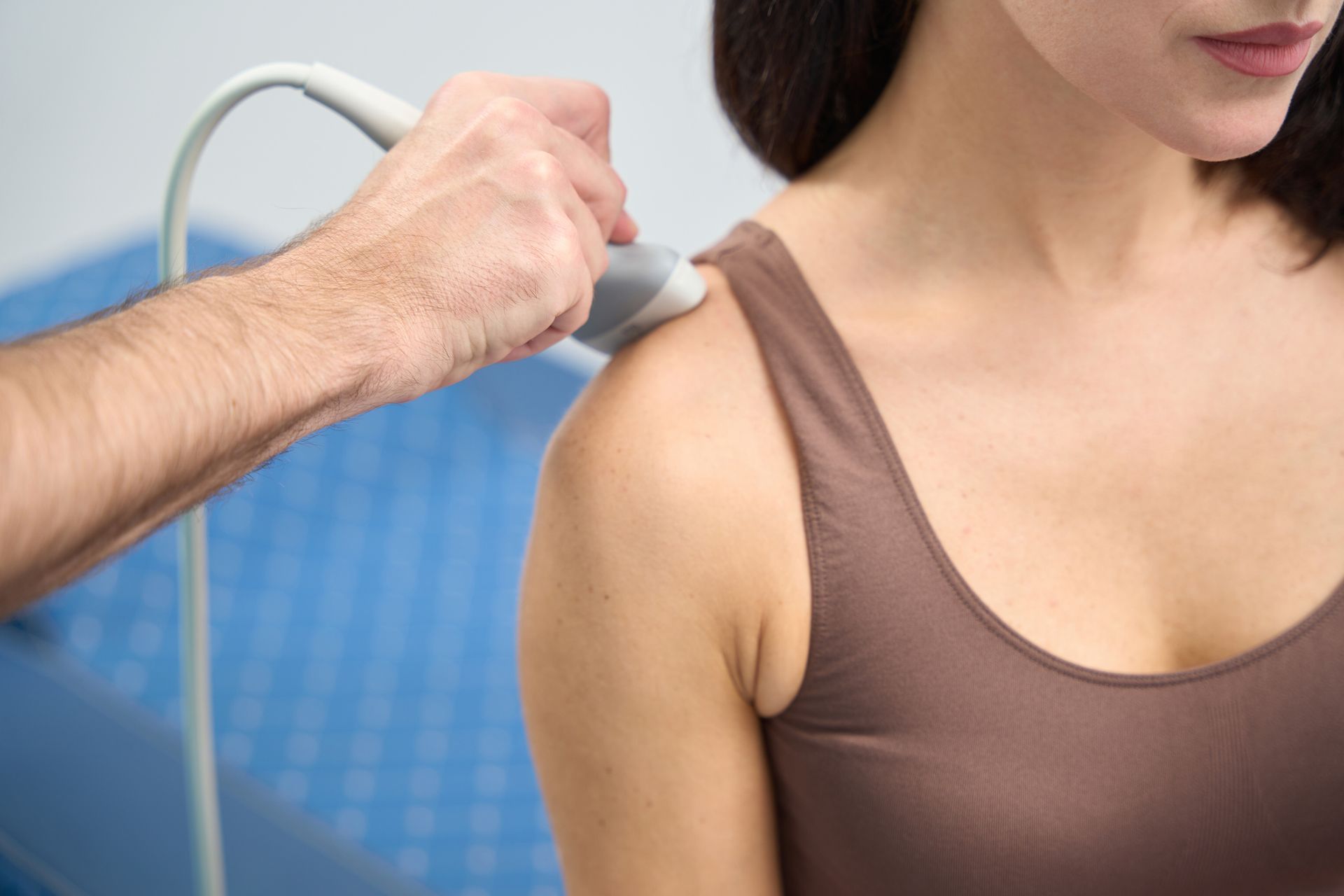
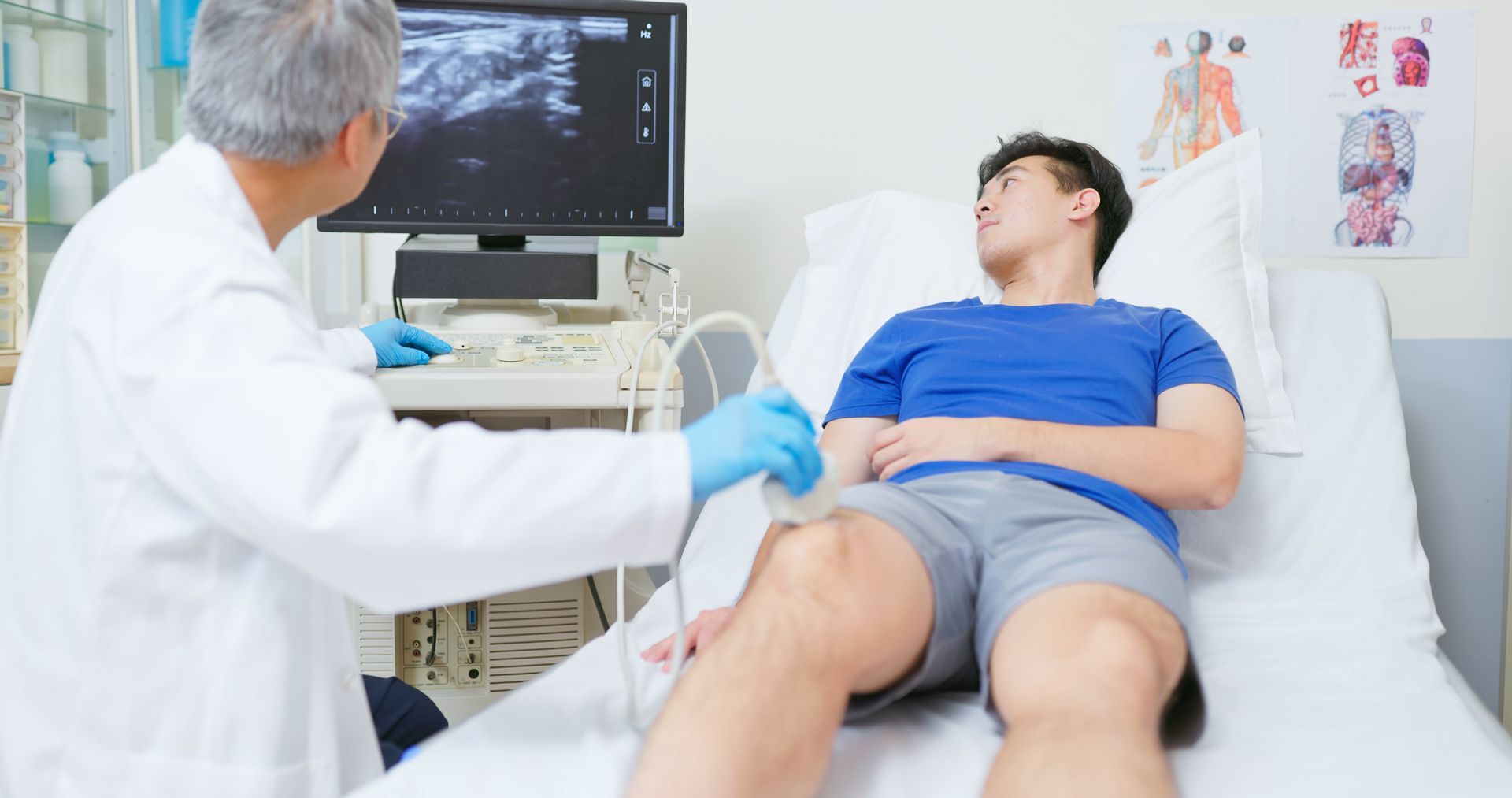
Diagnostic ultrasound uses high-frequency sound waves to create live, moving images of the soft tissues just beneath your skin — your muscles, tendons, ligaments, nerves, and the fluid around your joints. A small handheld probe sends sound waves into the tissue and translates the echoes into a picture on a screen. It's the same safe, trusted technology used to image expectant mothers, applied here to the musculoskeletal system.
What makes it especially useful in physical therapy is that the image is live. Instead of a single frozen snapshot, we can watch how a tendon glides, how a joint moves, and where a movement pattern breaks down — while you actually move.
What can it help evaluate?
Diagnostic ultrasound is a versatile tool for assessing a wide range of musculoskeletal concerns, including:
- Muscle strains and tears
- Tendon injuries and inflammation (such as rotator cuff or Achilles issues)
- Ligament sprains and joint instability
- Joint inflammation and fluid buildup
- Nerve compression, like carpal tunnel
- Soft-tissue swelling and fluid collections
Why patients love it: the benefits
Compared with X-rays, CT scans, or MRI, diagnostic ultrasound offers some real advantages for everyday musculoskeletal care:
- No radiation — it's safe to use as often as needed, with no exposure risk
- Real-time, dynamic imaging — we see tissues in motion, not just at rest
- Immediate answers — often during the same visit, with no outside referral or long wait
- Non-invasive and comfortable — just a probe and a little gel, no needles
- Cost-effective — a convenient alternative or complement to more expensive imaging
- Progress tracking — we can re-image as you heal to confirm you're on the right track
How it guides your treatment
Imaging is only valuable if it changes what happens next — and this is where diagnostic ultrasound really earns its place. A clearer picture means a more precise diagnosis, and a more precise diagnosis means a smarter, more targeted plan. Instead of treating pain in general, we can address the specific structure causing it — with the right exercises, the right hands-on techniques, and targeted treatments delivered with confidence. And because we can re-image along the way, we can see whether tissue is healing as expected and adjust your plan in real time.
What to expect at your visit
If diagnostic ultrasound is right for you, the process is quick, painless, and part of your normal one-on-one visit. Your therapist applies a small amount of gel to the area and moves the probe over it. You'll watch the images on screen right alongside us, and we'll explain what we're seeing as we go. There's no radiation, no needles, and no lengthy prep — most imaging takes just a few minutes and gives us information we can act on immediately.
Advanced care, close to home
You shouldn't have to drive hours or wait weeks just to understand your own injury. Diagnostic ultrasound imaging brings a level of assessment usually reserved for big-city sports-medicine clinics to our own community — paired with the personal, one-on-one care Plains Physical Therapy has offered since 2008.
Curious whether diagnostic ultrasound could help you get to the bottom of your pain?
Contact Plains Physical Therapy at (406) 826-4383 to schedule an evaluation. We can usually see you within a week — and we'll help you get back to the activities that matter most.